
שנעל ענטפער
א מאַגישער שוואָם זאָל נאָרמאַלערווייַז געניצט ווערן מיט וואַסער און לייכטן דרוק. נאַס מאַכן דעם שוואָם, אויסדריקן איבעריקן וואַסער, און לייכט רייבן דעם פלעקיקן אָרט אַנשטאָט אַגרעסיוו צו רייבן. מאַגישער שוואָמען געמאַכט פון מעלאַמין פּינע זענען בכלל פּאַסיק פֿאַר שטאַרקע ייבערפלאַכן ווי קעראַמישע טיילז, זינקען, קעראַמישע סאַניטאַרישע געצייג, עטלעכע ומבאַפלעקט שטאָל געביטן, שוך זאָלן, און געוויסע געמאָלטע ווענט. אָבער, זיי זאָלן בכלל אַוווידאַד ווערן אויף גלאַנציקע פֿאַרב, אויטאָמאָביל פֿאַרב, לעדער, טאָוטשסקרינז, פּאָלירטן נאַטירלעכן שטיין, און אַנדערע שוואַכע אָדער לייכט קראַצנדיקע ייבערפלאַכן. ווען איר רייניקט אַן אומבאַקאַנטע ייבערפלאַך, פּרובירט שטענדיק דעם שוואָם ערשט אויף אַ קליין באַהאַלטענעם אָרט.
וואָס איז אַ מאַגיש שוואָם?
א מאַגישער שוואָם, אויך אָפט גערופן אַ מאַגישער עראַזער שוואָם אָדער מעלאַמין רייניקונג שוואָם, איז געמאַכט פון אָפֿן-צעל מעלאַמין פּינע.
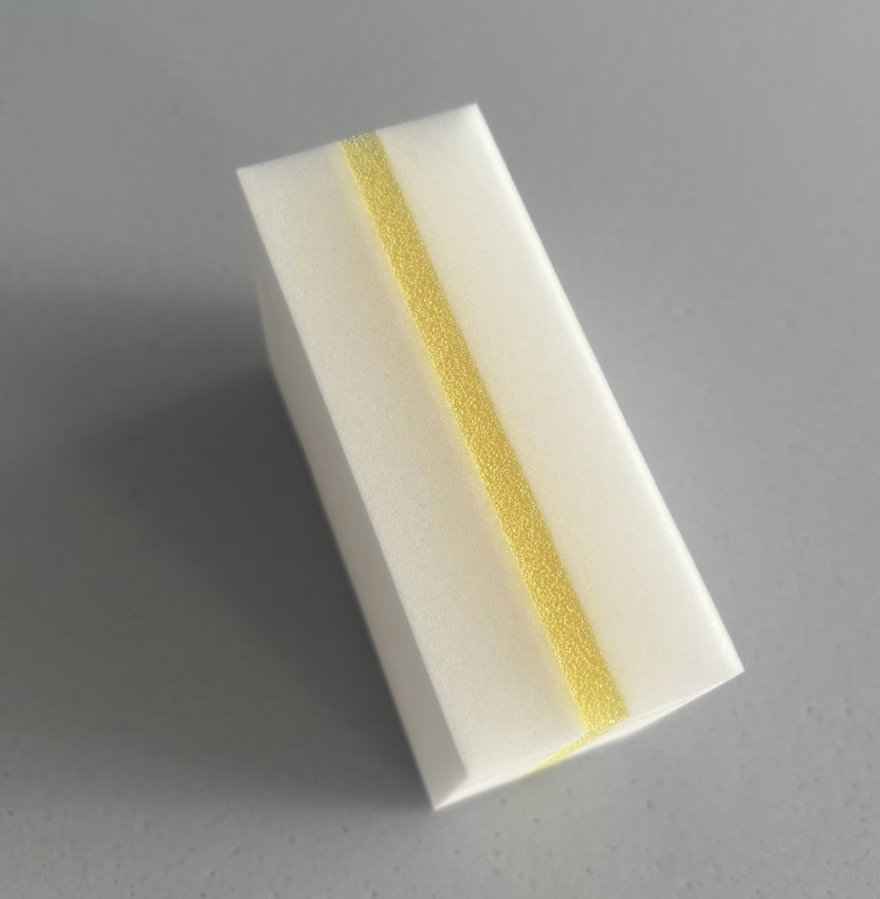
נישט ווי אַ קאַנווענשאַנעלער קיך שוואָם וואָס אַבזאָרבירט דער הויפּט וואַסער אָדער טראָגט וואַשפּולווער איבער אַן ייבערפלאַך, האט מעלאַמין פּינע אַ זייער פייַנע דריי-דימענסיאָנאַלע פּאָרעז סטרוקטור.
ווען לייכט געריבן קעגן אן אויבערפלאך, גיט די סטרוקטור א מילדע מעכאנישע רייניקונגס-אקציע וואס קען העלפן אוועקנעמען:
- סקאַפ מאַרקס
- שוך מאַרקס
- פינגערפּרינץ
- קרײַאָן מאַרקס
- זייף רעזאַדו
- אויבערפלאַך שמוץ
- געוויסע שווערע הויזגעזינד פלעקן
אין פילע אַפּליקאַציעס, איז נאָר וואַסער נויטיק.
אָבער, דער זעלביקער מיקראָ-אַברייסיוו רייניקונג מעקאַניזאַם וואָס מאכט אַ מאַגיש שוואָם עפעקטיוו מיינט אויך אַז עס מוז זיין געניצט קערפאַלי.
וויסן ווי אזוי צו ניצן א מאגישן שוואם זיכער איז דעריבער פונקט אזוי וויכטיג ווי וויסן וואס עס קען רייניקן.

ווי צו נוצן אַ מאַגיש שוואָם זיכער
ניצן אַ מאַגישן שוואָם ריכטיק איז פּשוט, אָבער אַ פּאָר קליינע דעטאַלן קענען באַדייטנד רעדוצירן דעם ריזיקירן פון שעדיקן די ייבערפלאַך.
שריט 1: קאָנטראָליר די ייבערפלאַך ערשט
איידער איר רייניגט, באַשטימט צי די ייבערפלאַך איז האַרט, דויערהאפט, באדעקט, פּאָלירט, געפֿאַרבט, אָדער סענסיטיוו צו אַברייזשאַן.
אויב איר זענט נישט זיכער, פּרובירט דעם שוואָם אויף אַ קליין באַהאַלטענעם טייל.
דאָס איז ספּעציעל וויכטיק פֿאַר:
- פּיינטיד סערפאַסיז
- קאָוטאַד מעטאַל
- פּאַלישט סערפאַסיז
- דעקאָראַטיווע פינישעס
- עלטערע מעבל
- אומבאַקאַנטע ייבערפלאַך קאָוטינגז
שריט 2: נאַס מאַכן די מאַגיש שוואָם
ווייקט דעם מעלאַמין שוואָם מיט ריין וואַסער.
וואַסער העלפֿט ווייכער מאַכן דעם פּינע און ערמעגליכט עס בעסער צו פּאַסן צו דער ייבערפלאַך.
שריט 3: אויסקוועטשן איבעריגע וואסער
דריקט דעם שוואָם לײַכט ביז ער בלייבט פֿײַכט אָבער טריפֿט מער נישט.
פֿאַרמײַדט צו דרייען דעם שוואָם אַגרעסיוו, ווײַל דאָס קען שאַטן די אינעווייניקסטע פּינע סטרוקטור.
שריט 4: ניצן לייכטן דרוק
רייַבט די פֿאַרפֿלעקטע געגנט זאַכט.
אָנהייבן מיט מינימאַלן דרוק און פאַרגרעסערן נאָר אויב נייטיק.
א מאַגישער שוואָם דאַרף נאָרמאַלערװײַז נישט אַגרעסיוו סקראַבינג.
צו פיל דרוק קען:
- טראָגט דעם שוואָם שנעלער
- פאַרגרעסערן פּינע ברייקידזש
- אַראָפּנעמען ייבערפלאַך קאָוטינגז
- רעדוצירן גלאַנץ
- לאָזט זיכטיקע אָפּשײַבונג־מאַרקן
פֿאַר רובֿ פֿלעקן, זענען עטלעכע לײַכטע דורכגאַנגען בעסער ווי איין אַגרעסיווע רייַבונג.
שריט 5: ווישן די ייבערפלאַך ריין
נאך רייניקונג, ניצט א פייכטע מיקראָפיבער שטאָף אדער א ריינעם שטאָף צו באַזײַטיקן לויזע רעשטלעך.
אויב נייטיק, טריקנט די ייבערפלאַך דערנאָך.
וועלכע ייבערפלאַכן קען מען רייניקן מיט אַ מאַגישן שוואָם?
מאַגישע שוואַמען אַרבעטן בעסטן אויף לעפיערעך שווערע און דויערהאפטע ייבערפלאַכן.
אָבער, ייבערפלאַך קאָוטינגז זענען באַטייטיק אַנדערש צווישן פאַבריקאַנטן, אַזוי עס איז נאָך רעקאָמענדירט צו מאַכן ספּאָט טעסטינג.
- סעראַמיק טיילז
קעראַמישע טיילז זענען איינער פון די מערסט פּראָסט אַפּלאַקיישאַנז פֿאַר מעלאַמין רייניקונג שוואַממען.
זיי קענען העלפֿן צו באַזייַטיקן:
- שמוץ
- זייף מאַרקס
- שוך מאַרקס
- פינגערפּרינץ
- אויבערפלאַך שמוץ
מאַגישע שוואַממען זענען ספּעציעל נוצלעך אַרום קיך, באַטרומז און אַרייַנגאַנג געביטן.
פֿאַר העכסט פּאָלירטע אָדער ספּעציעל באַדעקטע פּליטקעס, פּרובירט ערשט.
- קעראַמישע זינקען און סאַניטאַרישע געצייג
מעלאַמין פּינע קען זיין נוצלעך פֿאַר רייניקונג:
- קעראַמישע זינקען
- וואַשן בייסאַנז
- טוילאַץ
- קעראַמישע קלאָזעט פיקסטשערז
עס קען העלפֿן אַראָפּנעמען וואַסער פֿלעקן, זייף רעשטלעך, און ייבערפלאַך שמוץ אָן דאַרפֿן גרויסע סומעס פון רייניקונג כעמיקאַלן.
- שוך זאָלן און גומענע מיטלזאָלן
איינע פון די שטענדיג מער פאפולערע אנווענדונגען פאר מאגישע שוואמען איז רייניקונג פון שוך און טרענערס.
זיי זענען באַזונדערס עפֿעקטיוו אויף:
- ווייסע גומענע זאָלן
- ייוואַ מידסאָלעס
- גומענע פינגער געביטן
- סידעוואַללס
לייכט נאַס מאַכן דעם שוואָם און רייניקן דעם שמוציגן אָרט מיט לײַכטע סטראָוקס.
וויכטיק
ניצט נישט אויטאמאטיש דעם שוואם אויפן גאנצן שוך.
לעדער, באדעקטע לעדער, געמאָלטע דעקאָראַציעס, געדרוקטע לאָגאָס, זאַמש און שוואַכע שטאָף קענען רעאַגירן אַנדערש.
פֿאַר רייניקונג פֿון שוך, זענען מאַגישע שוואַמען בכלל מערסט פּאַסיק פֿאַר גומע און דוראַבאַל סינטעטיש זאָלן.
- קליינע מאַרקס אויף געמאָלטע ווענט
מאַגישע שוואַמען ווערן אָפט געניצט צו באַזייַטיקן:
- פינגערפּרינץ
- שוך סקאַפס
- בלייַער מאַרקס
- ליכטע קרײַד מאַרקס
- אַלגעמיינע וואַנט שמוץ
אבער, געפארבטע ווענט פארלאנגען עקסטרע פארזיכטיגקייט.
פלאַכע אָדער מאַטע וואַנט פאַרב קען מאל זיין מער סענסיטיוו ווי געריכט, בשעת אָפט רייבן קען פּראָדוצירן אַ קענטיק גלאַנציק פלעק אָדער אַראָפּנעמען עטלעכע פּיגמענט.
שטענדיק פּרובירן אַ באַהאַלטענע סעקציע ערשט און נוצן זייער לייכטן דרוק.
- נישט-ראַסטיק שטאָל — מיט פֿאָרזיכט
א מאַגישער שוואָם קען מאל געניצט ווערן אויף לאָקאַלע פֿלעקן אויף ומבאַפלעקט שטאָל ייבערפלאַכן.
פּאַסיקע ביישפילן קענען אַרייַננעמען געוויסע:
- קיך סינקס
- נוציקע עקוויפּמענט
- ארבעטס-פלאַכן פון נישט-ראַסטיק שטאָל
- אַפּפּליאַנסעס אָן שוואַכע דעקאָראַטיווע קאָוטינגז
אָבער, געבאַרשט, פּאַלישט, קאָוטאַד, אָדער שפּיגל-פאַרטיק ומבאַפלעקט שטאָל קען זיין שפּירעוודיק צו אַברייזשאַן.
אויב דער ומבאַפלעקט שטאָל האט אַ קענטיקע פֿאָדעם ריכטונג, רייניקט זאַכט צוזאמען די פֿאָדעם אַנשטאָט אַריבער אים.
שטענדיק דורכפירן א קליינע-שטח טעסט ערשט.
סערפאַסיז וואָס איר זאָלט ויסמיידן רייניקונג מיט אַ מאַגיש שוואָם
ווייל מעלאַמין פּינע אַרבעט טיילווייז דורך מילדע פיזישע אַברייזשאַן, זאָל עס נישט באַהאַנדלט ווערן ווי פּאַסיק פֿאַר יעדן מאַטעריאַל.
עטלעכע ייבערפלאַכן קענען פאַרלירן גלאַנץ, ווערן קראַצט, אָדער ליידן שטענדיקע שעדיקן צו די קאָוטינג.
די פאלגענדע ייבערפלאַכן דאַרפן בכלל באַזונדערע וואָרענונג אָדער זאָלן ווערן אַוווידאַד.
- הויך-גלאַנציקע געפֿאַרבטע סערפאַסיז
פֿאַרמײַדט אַגרעסיוו נוצן מאַגישע שוואַמען אויף הויך-גלאַנציק פֿאַרב.
די מיקראָ-אַבראַסיווע אַקציע קען ביסלעכווייַז רעדוצירן דעם גלאָס אָדער שאַפֿן אַ מאַט פלעק.
ביישפילן אַרייַננעמען:
- גלאַנציקע מעבל
- לאַקערד קאַבאַנאַץ
- פּיאַנע ענדיקונגען
- הויך-גלאַנץ דעקאָראַטיווע פּאַנאַלז
- באדעקטע הויזגעזינד סערפאַסיז
פֿאַר די אַפּליקאַציעס, אַ ווייכע מיקראָפיבער שטאָף און אַ רייניגער ספּעציעל דיזיינד פֿאַר די קאָוטינג זענען געוויינטלעך זיכערער.
- Automotive Paint
א מאַגישער שוואָם זאָל בכלל נישט געניצט ווערן אויף אויטאָמאָביל עקסטעריער פאַרב.
מאָדערנע אויטאָמאָביל סערפאַסיז אָפט אַנטהאַלטן קייפל לייַערס, אַרייַנגערעכנט:
- באַזע פאַרב
- קלאָר מאַנטל
- פּראַטעקטיוו קאָוטינגז
- וואַקס אָדער סילאַנט
מעלאַמין פּינע קען פֿאַרטומפּן אָדער אָפּשלייפֿן די שיכטן.
פֿאַר רייניקונג פֿון אויטאָ־קערפּער, ניצט אַנשטאָט ספּעציעלע וואַש־ און דיטיילינג־פּראָדוקטן פֿאַר אויטאָמאָבילן.
- לעדער
פֿאַרמײַדט צו ניצן מאַגישע שוואַמען אויף לעדער סײַדן דער לעדער פאַבריקאַנט באַשטעטיקט ספּעציפֿיש דעם מעטאָד.
לעדער קען אנטהאלטן:
- פּיגמאַנץ
- פּראַטעקטיוו קאָוטינגז
- אָילס
- ייבערפלאַך פינישעס
שרײַבנדיקע רייניקונג קען אַראָפּנעמען די שיכטן און לאָזן אַ שטענדיק לײַכטערע אָדער גראָבערע געגנט.
דאָס גילט פֿאַר זאכן ווי:
- לעדער שיכלעך
- לעדער סאָופאַז
- באַגס
- אויטאמאטיוו לעדער זיצן
- לעדער אַקסעסאָריעס
- טאָוטשסקרינז און עלעקטראָנישע דיספּלייז
ניצט נישט קיין מאַגישן שוואָם אויף:
- סמאַרטפאָנע סקרינז
- טאַבלעט סקרינז
- לאַפּטאָפּ דיספּלייז
- טאָוטשסקרין קאָנטראָל פּאַנאַלז
- טעלעוויזיע סקרינס
- קאַמעראַ דיספּלייז
די ייבערפלאַכן קענען אַנטהאַלטן שוואַכע אַנטי-גלעזער, אָלעאָפאָבישע, אָדער פּראַטעקטיוו קאָוטינגז וואָס קענען ווערן געשעדיגט דורך אַברייזשאַן.
ניצט אַנשטאָט אַ פּאַסיק מיקראָפיבער שטאָף און עלעקטראָניק-זיכערע רייניקונג מעטאָד.
- נאַטירלעך שטיין
פֿאַרמײַדט צו ניצן מאַגישע שוואַמען אויף דעליקאַטע אָדער פּאָלירטע נאַטירלעכע שטיינער סײַדן עס איז ספּעציפֿיש טעסטירט געוואָרן.
ביישפילן אַרייַננעמען:
- מירמלשטיין
- ליימסטאָון
- טראַווערטינע
- פּאָלירט גראַניט
- אינזשענירט שטיין מיט ספּעציעלע קאָוטינגז
פּאָלירטע ייבערפלאַכן קענען פאַרלירן גלאַנץ אויב זיי ווערן אונטערטעניק צו ריפּיטיד אַברייסיוו רייניקונג.
נאַטירלעכער שטיין קען אויך האָבן סילינג מאַטעריאַלן וואָס זאָלן נישט ווערן געשעדיגט.
ניצט אַ שטיין-זיכער רייניקונג פּראָדוקט רעקאָמענדירט פֿאַר דעם מאַטעריאַל.
- לייכט קראַצן אָדער דעליקאַטע סערפאַסיז
אלס אן אלגעמיינע כלל, זאלט איר נישט ניצן מאגישע שוואמען אויף יעדער ייבערפלאך וואו פיינע אבראשונג קען שאפן זעבארע שאדן.
ביישפילן קען אַרייַננעמען:
- אַקריליק
- פּפּלעקסיגלאַס
- פּאָלירט פּלאַסטיק
- גלאַנציק פּלאַסטיק
- דעקאָראַטיווע קאָאַטינגס
- נישט-שטעקן קאָוטינגז
- אַנטיק ענדיקונגען
- ווייכע מעטאַל סערפאַסיז
- הויך-גלאַנץ לאַמינאַטן
ווען אין צווייפל, קלייבט א ווייניגער אברייסיוו רייניקונג מעטאד.
זיכערע און נישט-זיכערע סערפאַסיז אין א בליק
| ייבערפלאַך | רעקאָמענדאַציע | נאָטעס |
| סעראַמיק קאַכל | בכלל פּאַסיק | טעסט פּאַלישט פינישעס |
| סעראַמיק זינקען | בכלל פּאַסיק | ניצן ליכט דרוק |
| גומענע זאָלע פון שוך | בכלל פּאַסיק | פֿאַרמײַדן שוואַכע שוך אויבערשטע טיילן |
| געמאָלטע וואַנט | ניצן מיט וואָרענען | טעסט ערשט, ספּעציעל מאַט פאַרב |
| ומבאַפלעקט שטאָל | ניצן מיט וואָרענען | גיי נאך די קערל און טעסט די קאָוטינג |
| הויך-גלאַנציקע פאַרב | ויסמייַדן | קען רעדוצירן גלאַנץ |
| אָטאַמאָוטיוו פאַרב | ויסמייַדן | קען אפעקטירן קלאָרע מאַנטל |
| לעדער | ויסמייַדן | קען אַראָפּנעמען ענדיקונג אָדער פּיגמענט |
| טאָוטשסקרעען | ויסמייַדן | קען שאַטן ייבערפלאַך קאָוטינגז |
| נאַטירלעך שטיין | געוויינטלעך אויסמיידן | קען אפעקטירן פּאָליש אָדער סילער |
| אַקריליק / פּלעקסיגלאַס | ויסמייַדן | לייכט קראַצט |
| ניט-שטעקן קאָוטינג | ויסמייַדן | קען שאַטן די פאַנגקשאַנאַל קאָוטינג |
פארוואס קען א מאַגישער שוואָם שאַטן געוויסע סערפאַסיז?
די ענטפער ליגט אין דער סטרוקטור פון מעלאַמין פּינע.
אונטער פארגרעסערונג, ענטהאלט אויסגעהארטעטע מעלאַמין פּינע א גאר פיינע פארבינדענע נעץ.
ווען געריבן קעגן אן אויבערפלאך, שאפט די סטרוקטור א מילדן אברייסיוון עפעקט.
דאָס העלפֿט דערקלערן פאַרוואָס אַ מאַגישער שוואָם קען אַראָפּנעמען פֿלעקן וואָס קענען זיין שווער צו אַראָפּנעמען מיט אַ קאַנווענשאַנעלן ווייכן שוואָם.
אבער רייניקונג פאָרשטעלונג ינוואַלווז שטענדיק אַ וואָג צווישן:
רייניקונג קראַפט
און
ייבערפלאַך קעגנשטעל
א דויערהאפטיקע קעראַמישע פּליטקע קען דעם קאָנטאַקט זייער גוט טאָלערירן.
א גלאנציגע באַדעקונג, אויף דער אַנדערער האַנט, קען ווײַזן מיקראָסקאָפּישע אַברייזשאַן ווי אַ קענטיקע פֿאַרטומפּלונג.
צוליב די סיבה:
א שטארקערע סקראַבינג אַקציע איז נישט דוקא בעסערע רייניקונג.
ריכטיקער דרוק און ריכטיקע ייבערפלאַך אויסוואַל זענען וויכטיק.
דאַרפֿסטו רייניקונג כעמיקאַלן מיט אַ מאַגיש שוואָם?
אין פילע טעגלעכע רייניקונג אַפּליקאַציעס, איז וואַסער אַליין גענוג.
דאָס איז איין סיבה פאַרוואָס מעלאַמין פּינע רייניקונג פּראָדוקטן זענען פּאָפּולער פֿאַר אַפּליקאַציעס וווּ ניצערס ווילן רעדוצירן אומנייטיקע וואַשפּולווער קאַנסאַמשאַן.
פֿאַר שווערערן פעט אָדער ספּעציאַליזירטע קאַנטאַמאַניישאַן, אָבער, קען אַ קאָמפּאַטיבל רייניקונגסמיטל נאָך זיין נייטיק.
איידער איר קאָמבינירט אַ מאַגישן שוואָם מיט כעמישע רייניקונגסמיטלען, קאָנטראָלירט ביידע:
- צי דער רייניגער איז קאָמפּאַטיבל מיט דער ייבערפלאַך.
- צי דער רייניגער איז קאָמפּאַטיבל מיטן שוואָם.
גיי נישט אויס פון דעם אז שטארקערע כעמיקאלן פארבעסערן אויטאמאטיש רייניקונג רעזולטאטן.
זאָל מען טראָגן הענטשקעס ווען מען ניצט אַ מאַגיש שוואָם?
פֿאַר נאָרמאַל הויזגעזינד רייניקונג מיט וואַסער, שעפּן פילע באַניצער מעלאַמין שוואַמען גלייך.
אבער, הענטשקעס קענען נאך אלץ זיין נוצלעך ווען:
- רייניקונג פֿאַר לאַנגע פּיריאַדן
- ארבעטן מיט דיטערדזשאַנץ
- רייניקונג פון פעטיקע אדער פארפּעסטיקטע געביטן
- איר האָט סענסיטיווע הויט
פֿאַרמײַדט פֿאַרלענגערט אַגרעסיוו רייַבן גלייך קעגן דער הויט ווײַל אַ מעלאַמין שוואָם איז דיזיינד צו אָפּשאַפֿן ייבערפֿלאַכן אַנשטאָט צו פֿונקציאָנירן ווי אַ פּערזענלעכע-פּפֿלעג שוואָם.
קען מען ניצן אַ מאַגישן שוואָם טרוקן?
פֿאַר רובֿ רייניקונג אַפּליקאַציעס, איז עס בעסער צו נאַס מאַכן די שוואָם איידער נוצן.
א פייכטע שוואם:
- פּאַסט זיך בעסער צו דער ייבערפֿלאַך
- פּראָדוצירט גלאַטער רייניקונג קאָנטאַקט
- קען רעדוצירן אומנייטיקע שאום טראָגן
- מאכט עס גרינגער צו באַזייַטיקן לאָזטע שמוץ
טרוקן רייניקונג קען פארגרעסערן רייַבונג און פּינע טראָגן.
פֿאָלגט די אינסטרוקציעס וואָס קומען מיטן יחידישן פּראָדוקט.
ווי אזוי צו מאכן א מאגישן שוואם לענגער האלטן
מעלאַמין פּינע איז אַ קאָנסומאַבלע רייניקונג מאַטעריאַל.
עטלעכע אָפּנוץ בעת רייניקונג איז נאָרמאַל ווײַל דער שאום ווערט ביסלעכווײַז עראָדירט ווען ער אַרבעט קעגן קאָנטאַמינירטע ייבערפלאַכן.
אָבער, ריכטיקע טעכניק קען פֿאַרבעסערן די האַרטקייט.
צו פארלענגערן דעם לעבן פון שוואָם:
- נאַס מאַכן די שוואָם איידער נוצן
- דריי עס נישט אַגרעסיוו
- ניצן ליכט דרוק
- רייניקן מיט עטלעכע לייכטע דורכגאַנגען
- ניצט נאָר די נויטיקע שטח פון דער שוואָם
- ויסמייַדן שאַרף עדזשאַז
- שווענקט אַוועק פארכאפטן שמוץ ווען נויטיק
פֿאַר קאמערציעלע רייניקונג פּראָדוקטן, קען שוואָם געדיכטקייט, קאַמפּרעסיע מדרגה, דימענסיעס און פּינע פאָרמולע אויך השפּעה האָבן אויף רייניקונג געפיל און געווער.
סטאַנדאַרט קעגן קאַמפּרעסט מעלאַמין פּינע
נישט אַלע מאַגישע שוואַמען האָבן פּונקט די זעלבע פיזישע אייגנשאַפטן.
מעלאַמין פּינע פּראָדוקטן קענען זיין דיזיינד מיט פאַרשידענע:
- געדיכטקייט לעוועלס
- קאַמפּרעשאַן פאַרהעלטענישן
- טהיקקנעססעס
- צעל סטרוקטורן
- שאַפּעס
- לאַמאַנייטאַד לייַערס
נאָרמאַל מעלאַמין פּינע איז גאָר לייכט און גיט עפעקטיוו רייניקונג אַקציע.
קאָמפּרעסירטע אָדער העכער-דענסיטי מעלאַמין פּינע קען פאָרשלאָגן אַן אַנדער האַנט געפיל און קען צושטעלן פֿאַרבעסערטע געווער פֿאַר זיכער רייניקונג אַפּלאַקיישאַנז.
דאָס מאַכט פּראָדוקט אינזשעניריע ספּעציעל וויכטיק פֿאַר אַפּליקאַציעס ווי:
- שוך רייניקונג
- פאַכמאַן רייניקונג
- אויטאמאטיוו אינעווייניק רייניקונג
- הויזגעזינד רייניקונג בראַנדז
- פּריוואַט-לייבל רייניקונג פּראָדוקטן
- ווידער-ניצלעכע רייניקונג פּאַד סיסטעמען
ביי SINOYQX , קען מעלאַמין פּינע ווערן פּראַסעסט אין פאַרשידענע דימענסיעס, געדיכטקייטן, קאַמפּרעסט סטרוקטורן און קאָנווערטעד רייניקונג פּראָדוקטן לויט די בדעה אַפּלאַקיישאַן.
זיכערהייט טשעקליסט איידער איר ניצט א מאַגישע שוואָם
איידער איר רייניגט אן אומבאַקאַנטע ייבערפלאַך, פאָלגט די פיר כּללים:
- טעסט ערשטער
פּרוּווט דעם שוואָם אויף אַ באַהאַלטענעם אָרט.
- אָנהייבן מיט לײַכטקייט
ניצט ערשט מינימאלן דרוק.
- קוק די ענדיקן
שטעלט זיך אפ גלייך אויב איר באמערקט:
- פארלוסט פון גלאנץ
- קאָליר טראַנספער
- ייבערפלאַך קראַצן
- קאָוטינג באַזייַטיקונג
- געוועב ענדערונגען
- פֿאָלגן די אינסטרוקציעס פֿון דעם אויבערפֿלאַך־פאַבריקאַנט
ווען די ייבערפלאַך איז טייַער, דעליקאַט, באדעקט, אָדער פּראָפעסיאָנעל פאַרטיק, זאָל די פאַבריקאַנט'ס רייניקונג רעקאָמענדאַציע נעמען פּריאָריטעט.
אָפֿט געשטעלטע פֿראגן
איז אַ מאַגיש שוואָם זיכער פֿאַר אַלע סערפאַסיז?
נומ
מאַגישע שוואַמען האָבן אַ מילד אַברייסיוו רייניקונג ווירקונג און זענען נישט פּאַסיק פֿאַר יעדן מאַטעריאַל.
זיי זאָלן בכלל אויסמיידן ווערן אויף שוואַכע, גלאַנציקע, פּאָלירטע, באדעקטע אָדער לייכט צו קראַצן ייבערפלאַכן.
שטענדיק פּרובירן ערשט אַן אומבאַקאַנטע ייבערפלאַך.
קען מען ניצן אַ מאַגישן שוואָם אויף געפֿאַרבטע ווענט?
יא, אבער פארזיכטיק.
מאַגישע שוואַמען קענען אַראָפּנעמען קליינע פֿלעקן פֿון אַ סך געפֿאַרבטע ווענט, אָבער איבערגעטריבענע רייַבונג קען אַפֿעקטירן די פֿאַרב־ענדיקונג.
מאַטע און פלאַך פאַרבן קענען זיין באַזונדערס שפּירעוודיק.
פּרובירט אויף אַ באַהאַלטענעם אָרט איידער איר רייניקט אַ זעבארן טייל.
קען מען ניצן אַ מאַגישן שוואָם אויף ומבאַפלעקט שטאָל?
עס קען זיין פּאַסיק פֿאַר עטלעכע ומבאַפלעקט שטאָל ייבערפלאַכן, אָבער פֿאָרזיכטיקייט איז פארלאנגט.
געבארשט, פאלירט, שפיגל-פארענדיקט, אדער באדעקטע נישט-ראסטיקע שטאל קען ווייזן אבראשונג.
שטענדיק פּרובירן ערשט און, אויב נויטיק, ווישן לענגאויס די פֿאָדעם.
קען אַ מאַגישער שוואָם רייניקן שיך?
יא, ספּעציעל די גומענע זאָלן און מיטלזאָלן פון סניקערס און טריינערס.
פֿאַרמײַדט עס אויטאָמאַטיש אָנצוטראָגן אויף לעדער, זאַמש, געדרוקטע גראַפיקס, אָדער שוואַכע באַדעקטע שוך מאַטעריאַלן.
קען איך ניצן אַ מאַגישן שוואָם אויף מיין אויטאָ?
א מאַגישער שוואָם זאָל בכלל נישט געניצט ווערן אויף אויטאָמאָביל עקסטעריער פאַרב ווייַל זיין אַברייסיוו ווירקונג קען אַפעקטירן די קלאָר קאָוט אָדער גלאָס.
ניצט אַנשטאָט ספּעציעלע רייניקונג פּראָדוקטן פֿאַר אויטאָמאָטיוון.
קען מען ניצן אַ מאַגישן שוואָם אויף גלאָז?
עס ווענדט זיך אין דעם טיפ גלאז און וועלכע באדעקונגען מען לייגט דערצו.
פּשוט גלאָז קען טאָלערירן אַ מילד רייניקונג, אָבער קאָוטאַד, טינטעד, באַהאַנדלט, אָדער ספּעציעל גלאָז קען זיין מער סענסיטיוו.
טעסט ערשט און פאָלגט די רעקאָמענדאַציעס פון די גלאז פאַבריקאַנט.
קען מען ניצן אַ מאַגישן שוואָם אויף מאַרמאָר?
עס איז בכלל בעסער צו ויסמיידן ניצן אַ מאַגיש שוואָם אויף פּאַלישט מאַרמאָר.
מעלאַמין פּינע קען אַפעקטירן די פּאַלישט ענדיקן אָדער שטיין פאַרזיגלער.
ניצט אַ רייניגער ספּעציעל דיזיינד פֿאַר נאַטירלעכע שטיין.
צי מאַגישע שוואַמען אַנטהאַלטן רייניקונג כעמיקאַלן?
די רייניקונגס-אַקציע פֿון נאָרמאַלן מעלאַמין-שאַום קומט בפֿרט פֿון זײַן פֿײַנער פּאָרעזער סטרוקטור, נישט פֿון דיטערדזשענט וואָס געפֿינט זיך אינעווייניק אין שאָום.
אָבער, פאַרטיקע לאַכאָדימ פּראָדוקטן קענען זיין אַנדערש, און עטלעכע קענען אַנטהאַלטן נאָך ינגרידיאַנץ.
שטענדיק טשעק די אינדיווידועלע פּראָדוקט אינפֿאָרמאַציע.
פארוואס ווערט א מאגישער שוואם קלענער ווען איך נוץ עס?
דאָס איז נאָרמאַל.
מעלאַמין פּינע ווערט ביסלעכווייַז אָפּגעטראָגן ווען זיין פײַנע סטרוקטור מעטשאַניש אַראָפּנעמט קאַנטאַמאַניישאַן פון אַן ייבערפלאַך.
די ראטע פון טראָגן דעפּענדס אויף סיבות אַזאַ ווי:
- ראַפנאַס פון די ייבערפלאַך
- געווענדט דרוק
- פלעק טיפּ
- פּינע געדיכטקייַט
- שוואָם גרעב
- רייניקונג טעכניק
אויסקלייבן די ריכטיקע מעלאַמין פּינע פֿאַר רייניקונג פּראָדוקטן
פֿאַר רייניקונג בראַנדז און OEM מאַניאַפאַקטשערערז, איז נישטאָ קיין איין מאַגיש שוואָם ספּעציפֿיקאַציע וואָס איז ידעאַל פֿאַר יעדער אַפּלאַקיישאַן.
א הויזגעזינד וואַנט-רייניקונג שוואָם קען דאַרפֿן אַנדערע גשמיות קעראַקטעריסטיקס ווי אַ שוך רייניקונג שוואָם אָדער קאמערציעלע רייניקונג פּאַד.
שליסל סיבות צו אָפּשאַצן אַרייַננעמען:
- פּינע געדיכטקייַט
- קאַמפּרעשאַן פאַרהעלטעניש
- נאַס געווער
- רייניקונג פאָרשטעלונג
- שוואָם גרעב
- שניידנדיקע דימענסיעס
- ייבערפלאַך לאַמינאַציע
- פּאַקקאַגינג פֿאָרמאַט
- בדעה רייניקונג ייבערפלאַך
SINOYQX גיט מעלאַמין פּינע מאַטעריאַלן און קאַסטאַמייזד שוואָם סאַלושאַנז פֿאַר פאַרשידענע רייניקונג אַפּלאַקיישאַנז.
בנימצא פּראַסעסינג אָפּציעס קענען אַרייַננעמען:
- נאָרמאַל מעלאַמין פּינע
- קאָמפּרעסט מעלאַמין פּינע
- אייגענע געדיכטקייט
- מנהג גרעב
- מנהג שניידן
- ספּעציעלע פֿאָרמען
- לאַמינירט רייניקונג שוואַממען
- פּריוואַט-לייבל/OEM פּראָדוקטן
- קאַסטאַמייזד לאַכאָדימ פּאַקקאַגינג
לעצט טאָץ
לערנען ווי צו נוצן אַ מאַגיש שוואָם זיכער קומט אַראָפּ צו פֿאַרשטיין איין וויכטיק פּרינציפּ:
ניצט דאָס ריכטיקע רייניקונגס־מאַטעריאַל אויף דער ריכטיקער ייבערפלאַך מיט דער ריכטיקער מאָס דרוק.
מאַגישע שוואַמען קענען זיין זייער עפעקטיוו אויף דוראַבאַל סערפאַסיז אַזאַ ווי קעראַמיק פּליטקעס, זינקען, שוך זאָלן און זיכער הויזגעזינד סערפאַסיז.
אבער, ווייל מעלאַמין פּינע גיט מילדע מעכאנישע אַברייזשאַן, זאָל מען עס אויסמיידן אָדער קערפֿול טעסטירן אויף גלאַנציקע פֿאַרב, לעדער, אויטאָמאָטיוו פֿאַרב, טאָוטשסקרינז, פּאַלישט נאַטירלעכן שטיין און אַנדערע דעליקאַטע ענדיקונגען.
ווען אין ספק:
פּרובירט ערשט אַ באַהאַלטענע געגנט, ניצט וואַסער, הייבט אָן מיט אַ לייכטן דרוק, און שטעלט זיך אָפּ אויב די אויסזען פון דער ייבערפלאַך ענדערט זיך.
וועגן SINOYQX
SINOYQX איז אַ פאַבריקאַנט און סאַפּלייער פון מעלאַמין פּינע מאַטעריאַלן און קאָנווערטעד מעלאַמין פּינע פּראָדוקטן פֿאַר רייניקונג, אַקוסטישע, טערמישע איזאָלאַציע, פֿילטראַציע און אַנדערע אינדוסטריעלע אַפּליקאַציעס.
פֿאַר רייניקונג-פּראָדוקט פאַבריקאַנטן און פּריוואַט-לייבל בראַנדז, שטיצט SINOYQX קאַסטאַמייזד מעלאַמין שוואָם אַנטוויקלונג אַרייַנגערעכנט פאַרשידענע געדיכטקייטן, קאַמפּרעשאַן לעוועלס, דימענסיעס, שאַפּעס, לאַמינאַטיאָנס און פּאַקקאַגינג פֿאָרמאַטן.
אַפּלאַקיישאַנז אַרייַננעמען:
מאַגישע רייניקונג שוואַממען, שוך רייניקונג שוואַממען, הויזגעזינד רייניקונג פּאַדס, פאַכמאַן רייניקונג פּראָדוקטן, קאַסטאַמייזד מעלאַמין פּינע פּראָדוקטן, און OEM/פּריוואַטע-לייבל רייניקונג סאַלושאַנז.